
A “data breach” happens when a company or organization that holds your personal information gets hacked or leaks information by mistake. This can include things like:
- your name, address, phone number
- Email and passwords
- Social Security number
- Credit card or bank account details
- Health or insurance records
Once this information is out there, it can be used (sometimes months or even years later) for identity theft or credit fraud.
What to Do If You Hear About a Data Breach
You might get an email or news alert saying your data was part of a breach. Even if it’s just your email and password, it’s smart to take the alert seriously. Two of the most important steps are:
(1) Freeze Your Credit
Freezing your credit means no one can open new accounts in your name (not even you) until you unfreeze it. It’s free to do, and you can turn it on and off anytime.
Freezing your credit does NOT affect your current credit cards or loans. It protects you from someone taking out a credit card, loan, or apartment lease using your identity.
You need to freeze your credit with each of the three major credit bureaus: Equifax, Experian, TransUnion.
This is one of the strongest steps you can take to stop identity theft before it happens.
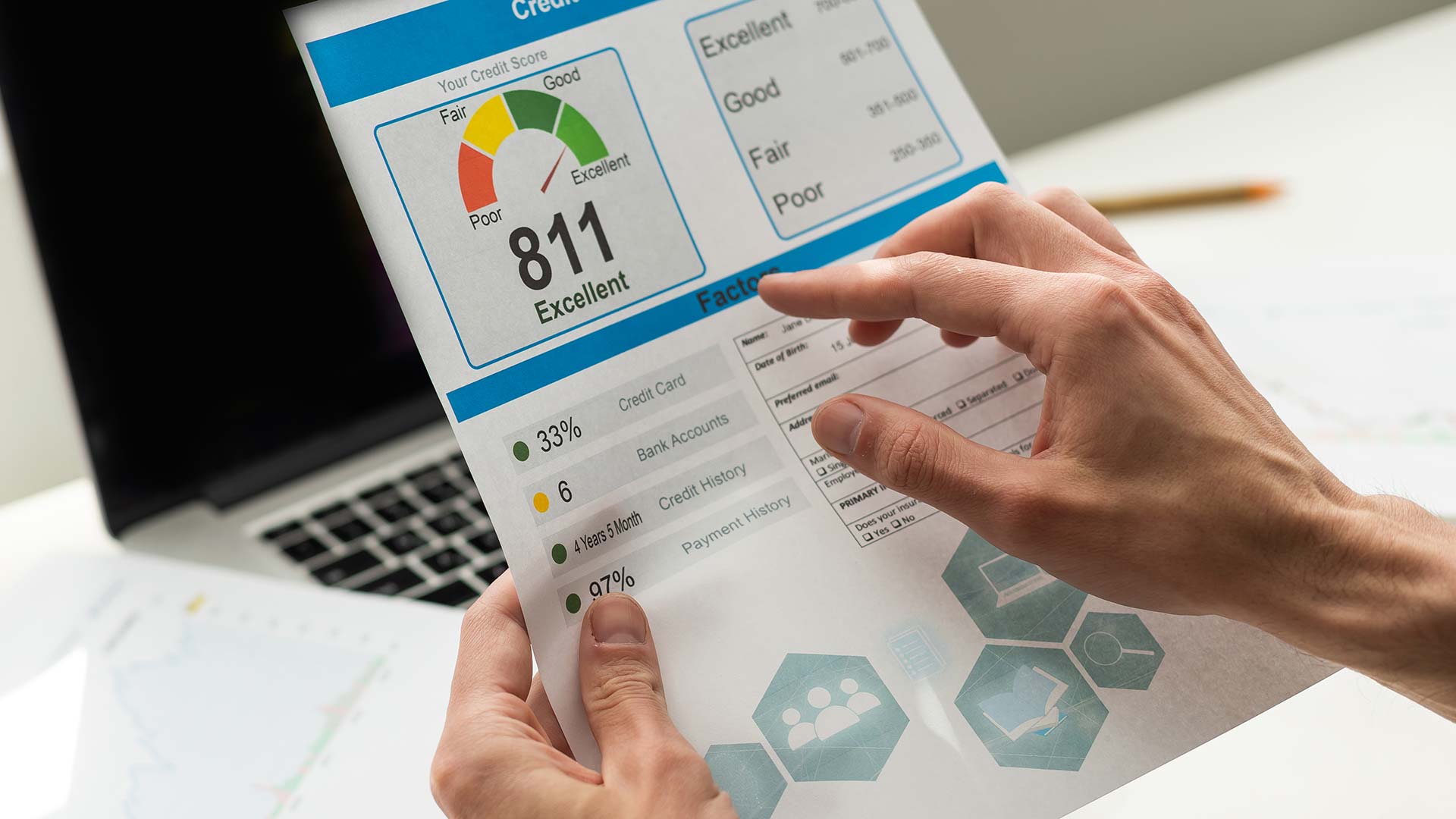
(2) Obtain Your Free Weekly Credit Report from These Three Credit Bureaus
AnnualCreditReport.com is the official site established by the 3 major credit bureaus (Equifax, Experian, TransUnion) to comply with the federal law requiting them to offer at least 1 free credit report annually. These 3 credit bureaus now voluntarily offer weekly credit reports. You just have to register!
Do I Also Need to Pay a Company to Monitor If My Personal Information is Online?
Probably not. Most people can stay safe without paying for an identity or credit monitoring service, as long as they take a few basic steps to secure their digital security and privacy, including:
- freezing their credit
- checking their credit reports from AnnualCreditReport.com
- setting up alerts on their bank and credit cards to receive texts when there is suspicious activity
- using strong passwords and Two-Factor Authorization (2FA), especially for email, bank, or shopping accounts. Click HERE to read more about 2FA
—- Published January 2026 —-