
On October 12th, KGO-FM consumer affairs reporter Michael Finney sat down with Oakland Privacy’s Mike Katz-Lacabe to answer the question of whether it matters if your doorbell is a spybot. Here is their conversation.
El Cerrito’s New Drone
A surveillance watchdog’s job is never done. As we try to convince cities, counties, transit districts and whoever else is watching us, to implement comprehensive oversight, the one-on-one method prevails
El Cerrito may be considering a full transparency ordinance, but until they do, we have to negotiate 1) community input into the use policy for the drone 2) City Council review of the policy for the drone 3) voluntary release of annual logs of drone use.
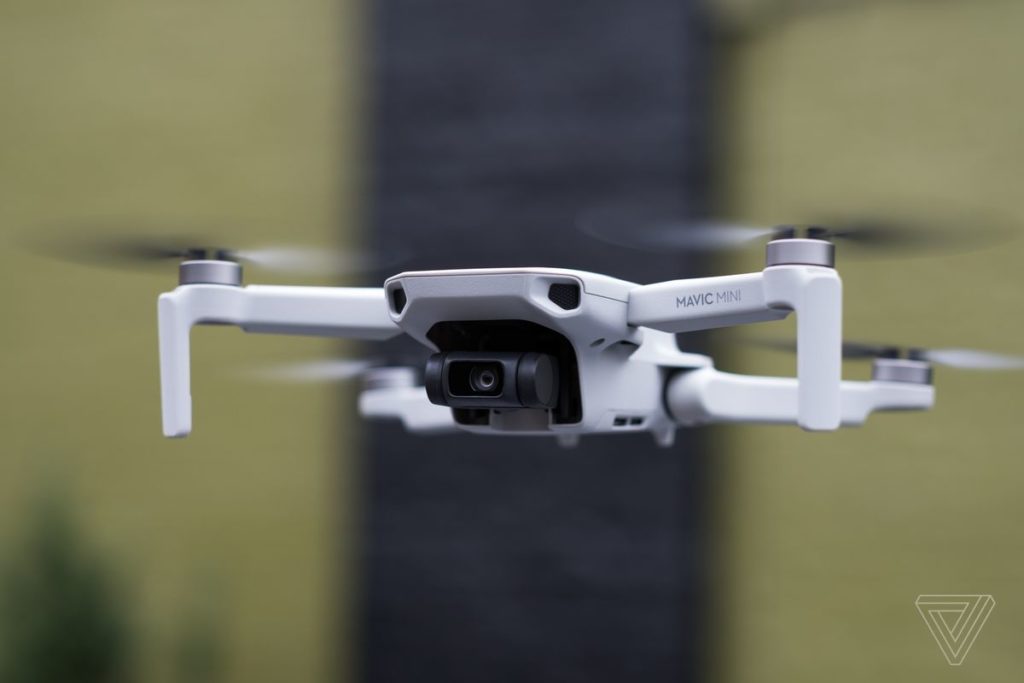
We did. Our letter to the council is below. Now let’s make it the law every time.
The Day The 1st Amendment Died in Berkeley

Update: On October 15th, the Berkeley City Council approved an amendment to their surveillance transparency ordinance banning the use of facial recognition technology, except when from an outside source, unsolicited and tied to a specific individual crime. The Council also approved a pilot deployment of 15 IKE kiosks in the DT, Telegraph and Lorin neighborhoods. After negotiations with privacy advocates, the kiosks were modified to remove pinhole and booth cameras, to scramble MAC address information collected from passing devices and to share no data with third parties without explicit municipal consent.
In August of 2018, violating pretty much every single word of the surveillance transparency ordinance passed unanimously by the City Council in March of 2018, Berkeley’s city manager Dee Ridley-Williams borrowed Avilgon hi-tech cameras from the Homeland Security federal fusion center NCRIC. The IP-enabled cameras are equipped with advanced analytics including appearance search recognition and movement detection. The NCRIC cameras were secretly installed in Civic Center Park (across from City Hall) to spy on a previously announced right wing protest and expected counterprotests. Staff at Homeland Security’s federal fusion center had log-in credentials for the cameras and access to the footage. Berkeley later bought and installed the same camera brand in San Pablo Park a few months later.
WhoWhatWhy podcast on the Berkeley evasion of surveillance transparency with OP’s Tracy Rosenberg
With NCRIC’s robust facial recognition capacities and close collaboration with the FBI and Joint Terrorism Task Force, all individuals in, at, near or by the park or other parts of Downtown Berkeley on August 5, 2018 should assume their identities are known to the Trump Administration and the FBI.
Tenth Amendment Center: Smoking Gun: Feds Partner with Local Police to Facilitate Warrantless Surveillance
Close The Camps at Palantir 9/13
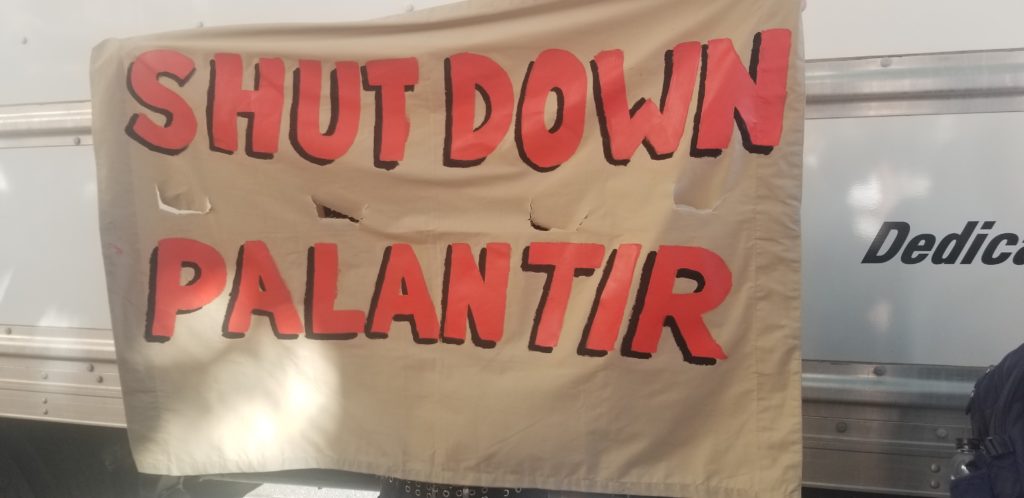
Bay Area activists continue to picket and protest at the headquarters of Palantir Technologies, the Palo Alto software company powering the Trump Administration’s deportation regime.
On one of the hottest days of the year, protestors rallied at the company’s Palo Alto building, covered the ubiquitous security cameras with umbrellas, and marched to (one of) Palantir CEO Alex Karp’s houses in Palo Alto to deliver a petition with 140,000 signatures asking Palantir to stop working for ICE.
Associated Students at UC Berkeley Demand Termination of Shotspotter Contract
The Associated Students at UC Berkeley have passed a resolution demanding that UC Berkeley terminate their contract with SSTI, Inc, the Newark-based manufacturer of Shotspotter gunshot detection microphones.
Cracking I-Phones in Alameda
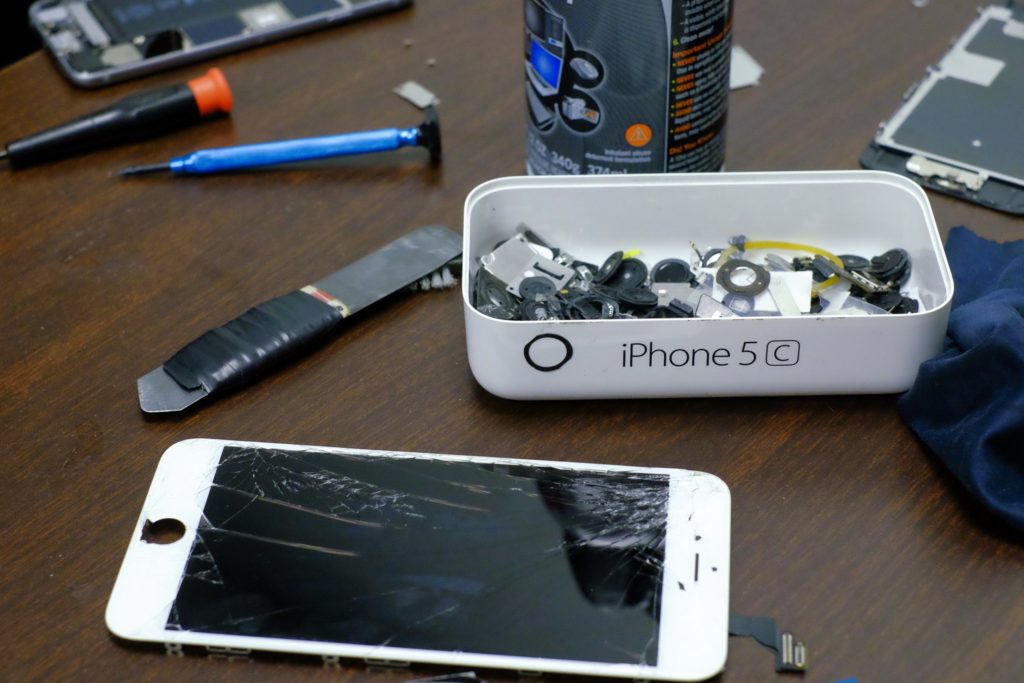
Logs received from the Alameda County Sheriff’s Department show that a Cellebrite tool was used 30 times between October of 2018 and July of 2019 to access the contents of encrypted Apple devices.